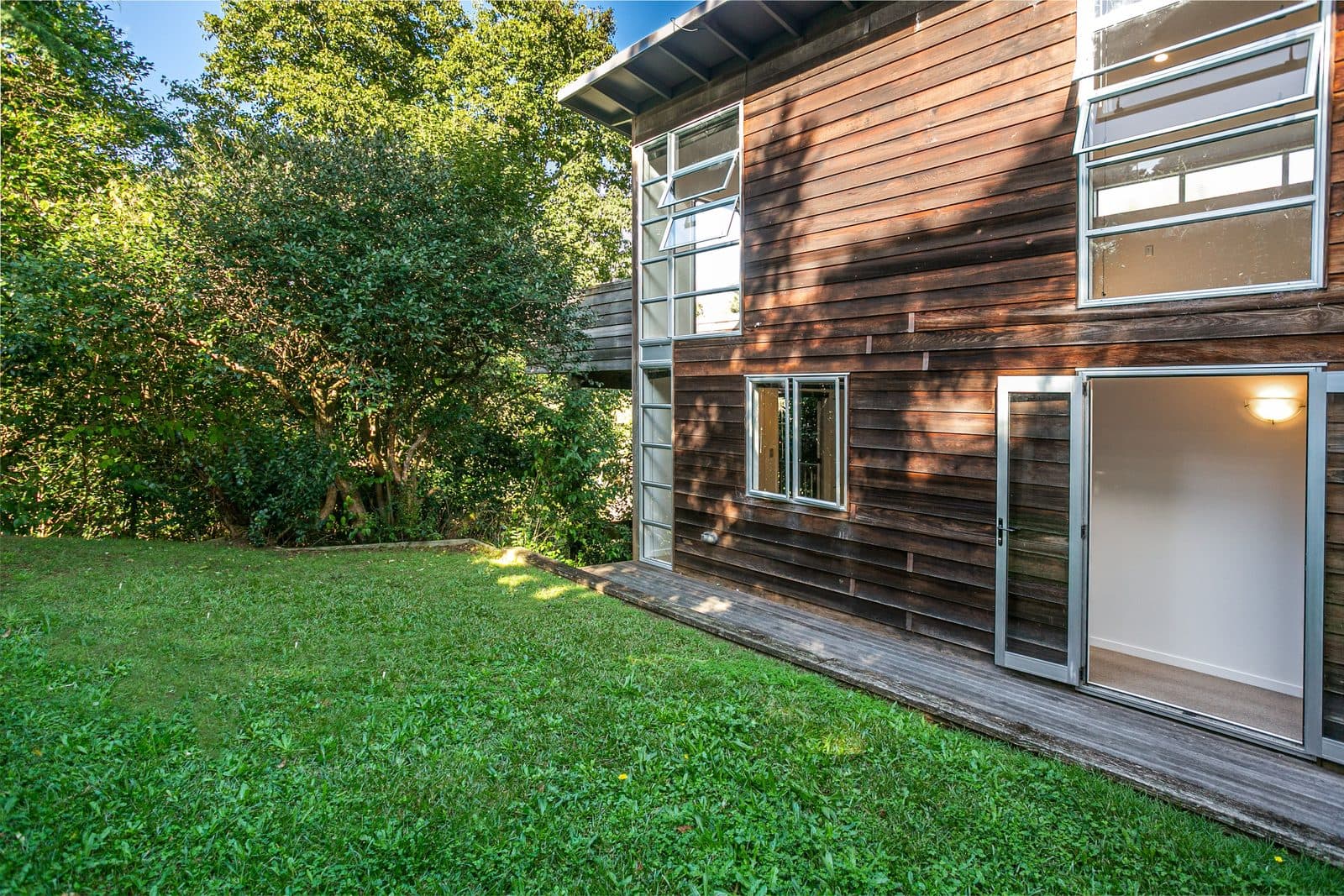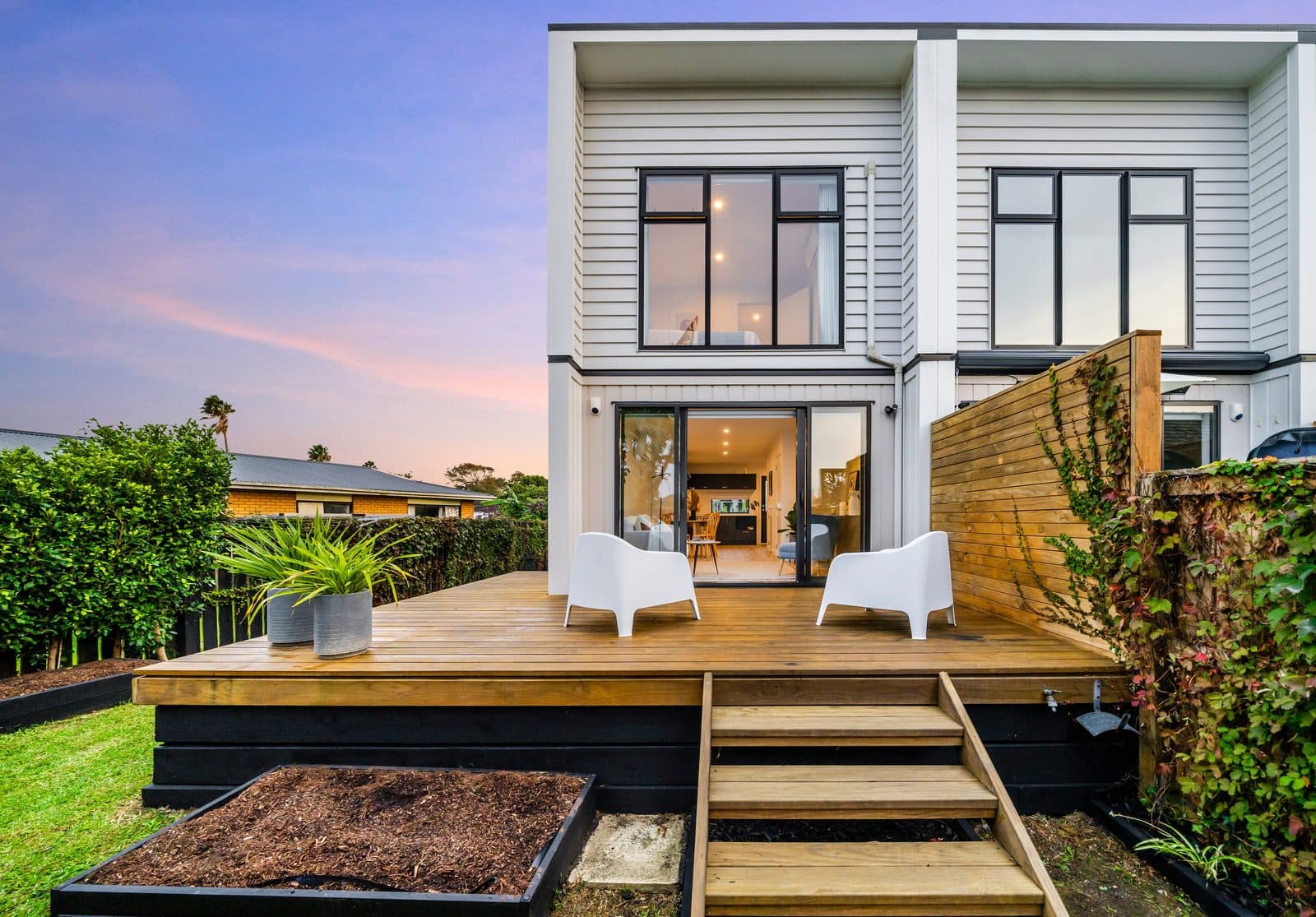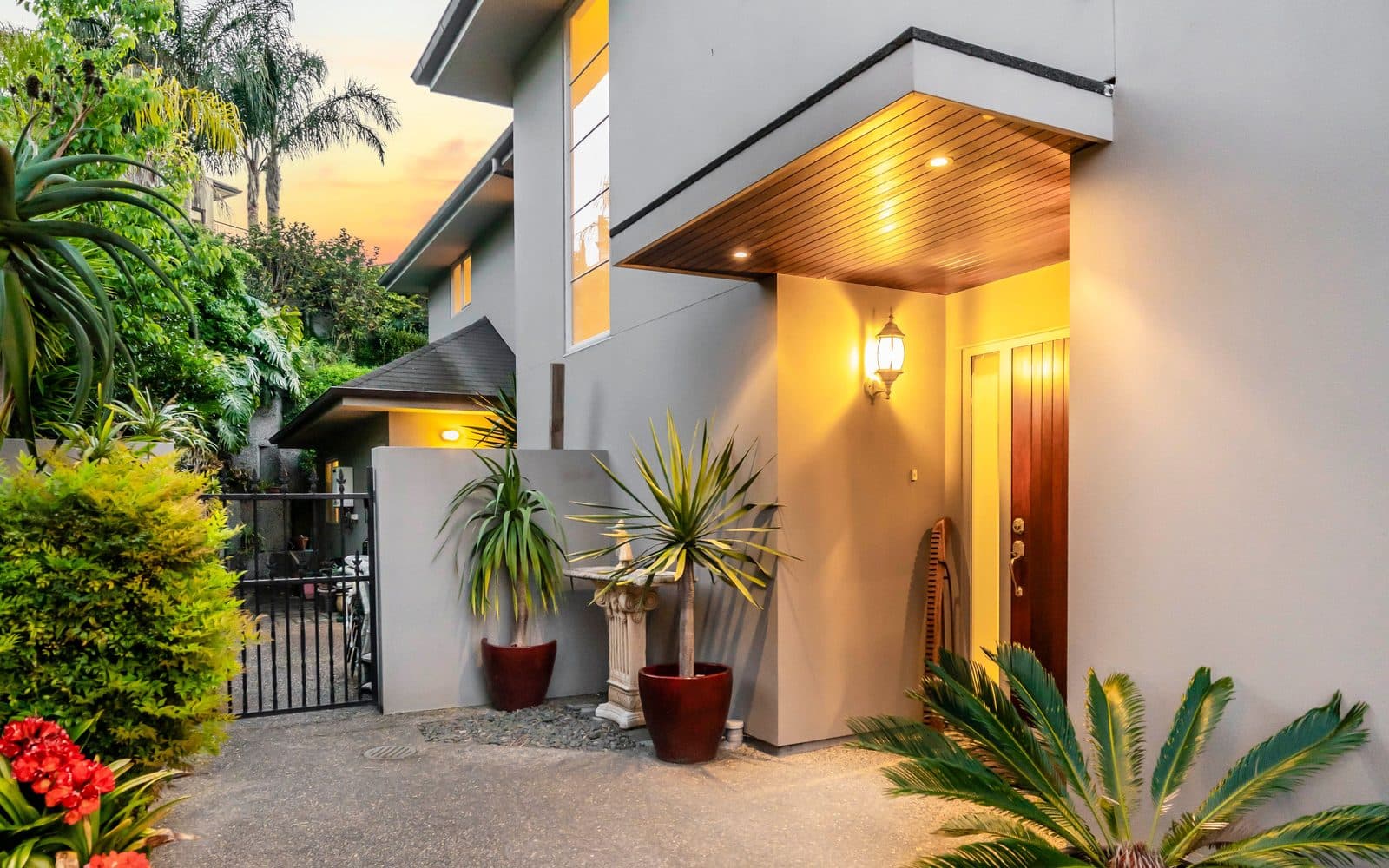
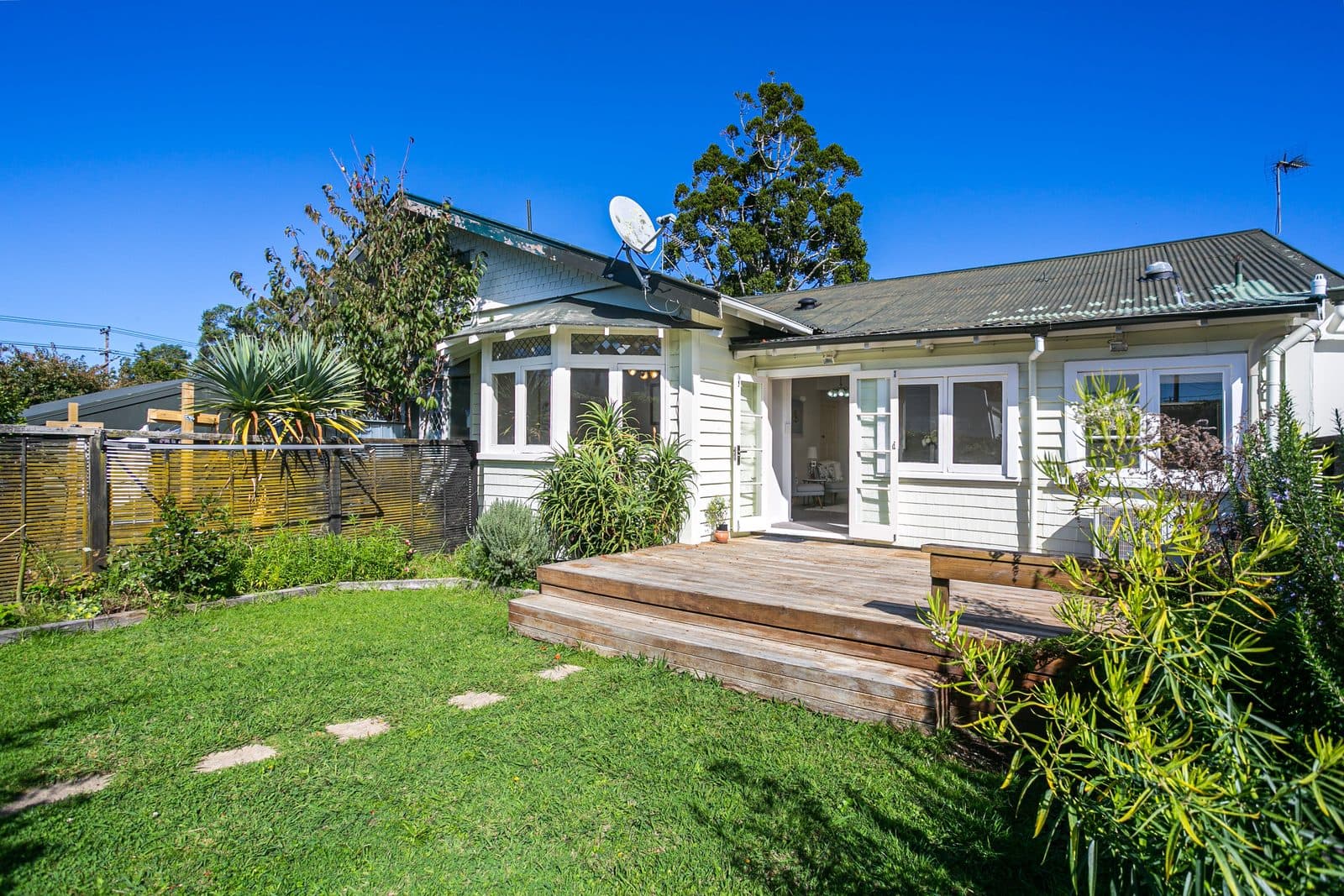
Onehunga is the suburb that keeps changing its mind about what it is. A working port town, then a light-industrial fringe, then a villa suburb rediscovered by people priced out of Ponsonby and Grey Lynn, and now a place where a 1910 bay villa and a 2023 terrace can share a boundary.
That mix is the whole story for a seller. The buyer for your house depends on which Onehunga it sits in, and a campaign that gets that wrong is talking to the wrong people from day one.
What the Onehunga market looks like
Over the twelve months to August 2026, REINZ put Onehunga's median sale price at $1.06 million, on 305 sales worth $344 million between them. The median was up 10.7% on the prior twelve months. The median time to sell was 37 days, and around 25 homes sold each month.
(REINZ Market Insights, twelve months to August 2026 against the twelve months prior.)
Two things stand out. The first is that Onehunga is a genuinely liquid market: around 25 sales a month in a suburb this size means there is almost always a comparable sale within the last few weeks, and buyers know it. The second is that the median has climbed more than ten per cent in a year while volumes held steady — a sign that demand is back ahead of supply, particularly for the character stock.
Three Onehungas
The suburb divides into pockets that behave differently, and the differences are larger than a suburb-wide average lets on.
- The villa and bungalow streets between the Mall and Royal Oak, and around Arthur Street and the Onehunga Primary end of town. Character stock, many with the original section intact, and the part of the suburb that has most in common with the inner west. Family buyers, and buyers who have been outbid closer to the city.
- The foreshore and the harbour edge, from Onehunga Bay and the restored Taumanu Reserve round towards Māngere Bridge. Water views and flat walks to the beach, and a premium for both. A very different buyer from the one looking on the mall side of Neilson Street.
- The new terraces and townhouses, which have gone up on former light-industrial and larger sites across the suburb since the Unitary Plan opened it up. Newer, warmer, lower-maintenance, and competing directly with each other rather than with the villas. This is where supply is deepest and where pricing has to be sharpest.
An agent who quotes you a suburb average without saying which of these your home sits in has not told you anything you can act on.
Why buyers choose Onehunga
Position. Onehunga sits at the junction of the isthmus and the south-west: the motorway at the end of the road, the airport twenty minutes away, and the CBD close enough that the commute is a decision rather than a sacrifice. For a buyer weighing it against a larger house further out, that is usually the argument that settles it.
A real town centre. Onehunga Mall is a working high street rather than a strip of cafes, and the Dress Smart outlet centre, the library, the pool and the train station all sit within a short walk of most of the suburb.
The harbour. The foreshore restoration gave Onehunga back its beach, and a suburb that had turned its back on the water for fifty years now has one of the better waterfront walks on the isthmus. Buyers notice, and pay for it.
Schools
Onehunga High School serves the suburb at secondary level, with Onehunga Primary, Te Papapa School and Royal Oak Primary and Intermediate covering the younger years, and some buyers look north towards the Epsom and Grammar zones instead.
Zones are set by the schools and are reviewed. Check the enrolment scheme directly with the school and on the Ministry of Education zone map, never from a listing description, and never from a blog post, including this one.
What this means when you sell
Name your buyer before you name your price. A renovated villa near the Mall, a do-up on a full site, and a three-year-old terrace attract three different buyers with three different budgets. The campaign, the photography and the method of sale should all be chosen for one of them.
In a falling market, the first fortnight is the campaign. With this much comparable stock, buyers arrive knowing what the last five similar homes made. A price that is right on day one gets competition; a price that is right by week four gets a single offer from someone who has watched it sit.
Presentation returns more here than renovation. A buyer for a character home in Onehunga is usually planning to put their own stamp on it. A new kitchen rarely returns its cost; a repaint, the garden sorted and a clear floor plan usually return several times theirs.
What to ask an Onehunga real estate agent
- Which of the three Onehungas is my house in, and what has sold there in the last six months? Ask to see the sales, not the average.
- What has been listed nearby and not sold, and why? The most informative list, and the one nobody volunteers.
- Who, specifically, is the buyer for this house? A good answer describes a person and their circumstances, not a demographic.
- What would you tell me not to spend money on? An agent chasing the listing agrees with your plan. An agent chasing the result will not.
- If we have no competition by the end of week two, what changes? Every campaign needs that decision made in advance, not under pressure.
Thinking about selling in Onehunga?
If you would like a straight assessment of what your home could achieve, and which of your neighbours' sales are actually comparable, talk to our team. We will tell you which Onehunga your house is in, and who is going to buy it.