Mount Wellington and Panmure sit side by side on the eastern edge of the isthmus, share a shopping centre, a train station and a basin, and are routinely lumped together in the same sentence. On the ground they are two quite different markets, and a seller in either one is better served by knowing exactly how.
What the numbers say
Over the twelve months to August 2026, REINZ put Mount Wellington's median sale price at $844,000, on 434 sales worth $403 million between them. The median was down 4.3% on the prior twelve months. The median time to sell was 42 days, and around 36 homes sold each month.
Panmure's median sale price was $926,500, on 75 sales worth $74 million. The median was down 1.4% on the year, and about six homes sold each month.
(REINZ Market Insights, twelve months to August 2026 against the twelve months prior.)
Two suburbs close in price, one of them turning over nearly six times as many homes as the other. That is the single most useful fact for a seller here, and it comes down to what has been built.
Why Mount Wellington trades so hard
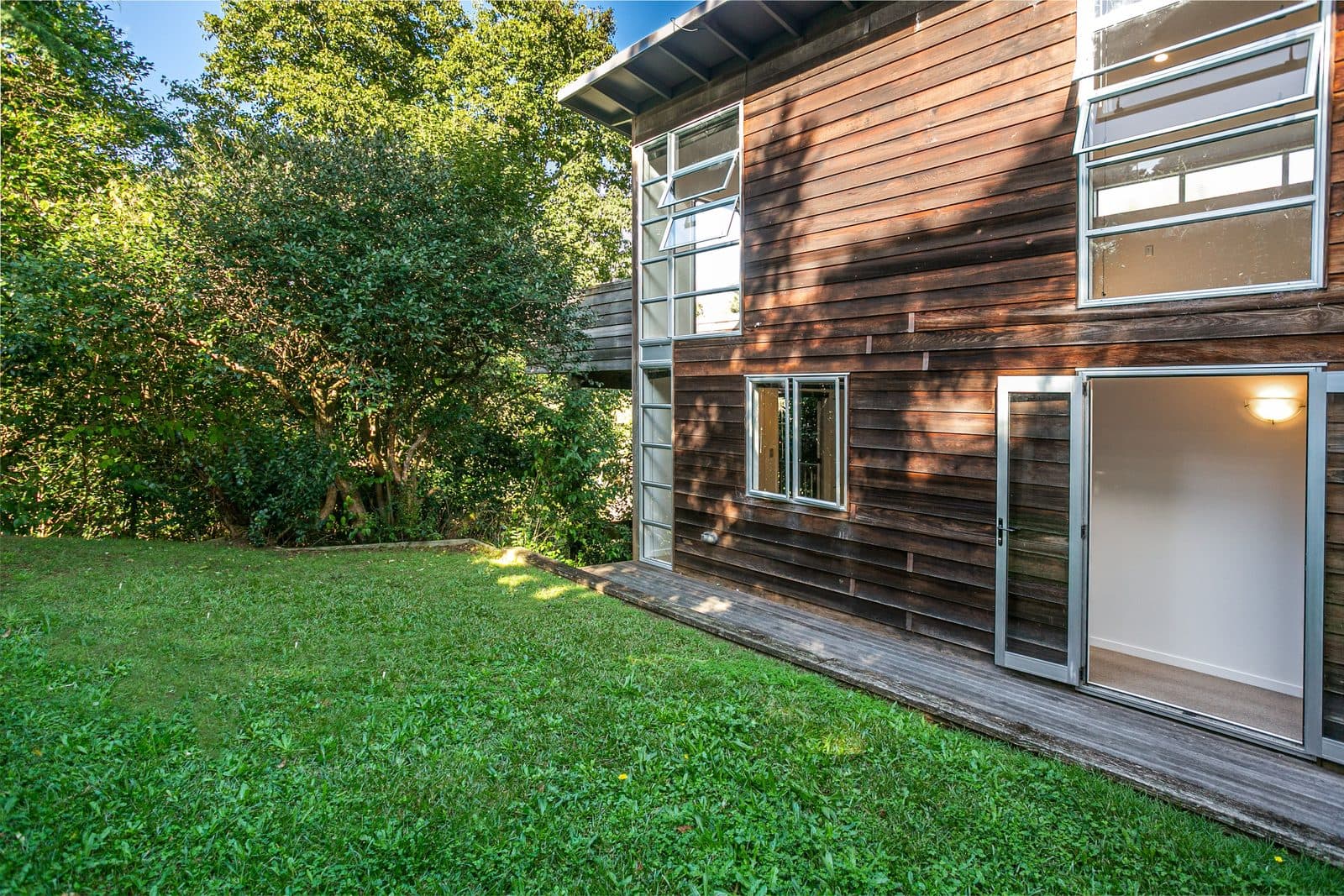
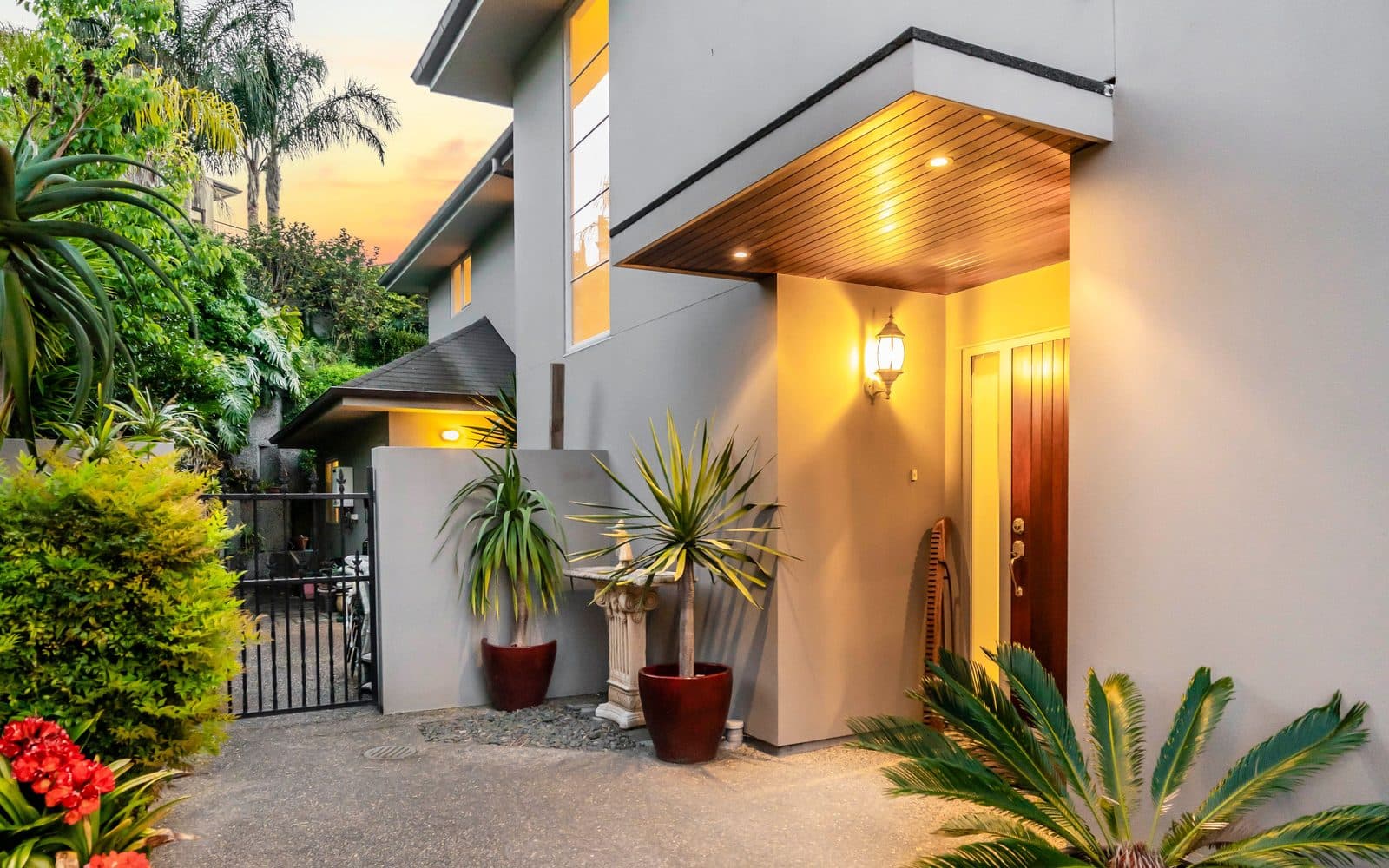
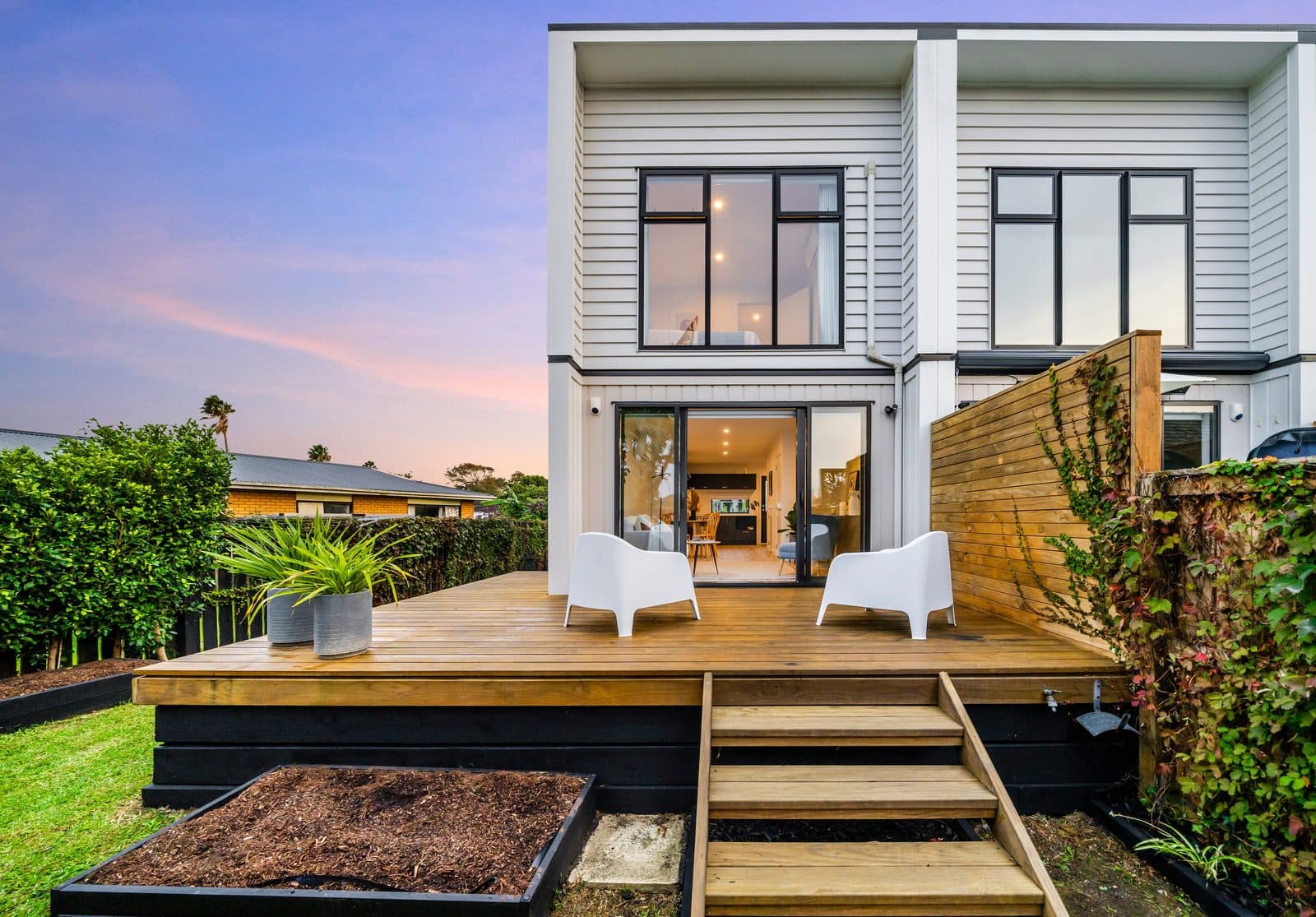
Mount Wellington is a big suburb that has been rebuilt in pieces. The post-war weatherboard and brick-and-tile stock on the larger sites has been progressively replaced by terraces and townhouses, first around Sylvia Park and the Panama Road end, then almost everywhere the Unitary Plan allowed. A large share of what sells in a given month is either brand new or under five years old.
That changes the market in three ways.
- The comparable sale is usually a near-identical house. Buyers of a three-bedroom terrace can see what the other seven in the development made, and they will. A campaign that hopes for a premium over the neighbour needs a reason the neighbour cannot match: the end unit, the north-facing yard, the extra car park.
- The remaining original homes on full sites are scarce, and priced on the land. A 1950s brick-and-tile on 700 square metres is being bought by a developer or by a family who wants a section, and those are two different campaigns with two different prices.
- Investors are a real part of the buyer pool. More than half of the suburb's residents rent, so an agent needs to be able to talk to an investor about yield in the same week as talking to a first-home buyer about the school run.
Why Panmure trades so little
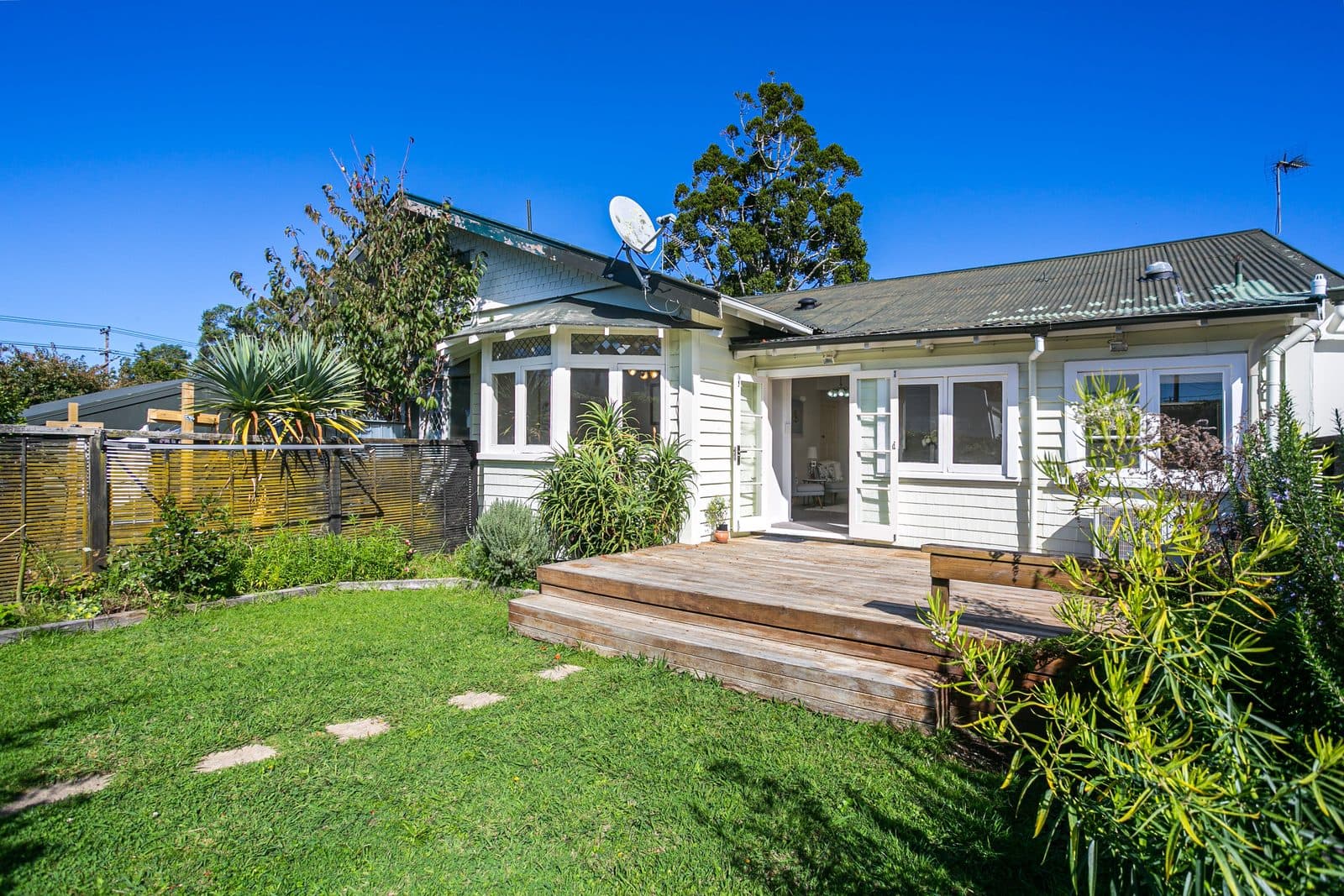
Panmure is the older, smaller neighbour: a compact village on the basin, with an established town centre, a train station on the Eastern Line, and a housing stock that has changed far less. Fewer large-scale developments, more original homes, and a much higher share of long-term owners and renters.
Eight listings in a month means a buyer who wants Panmure specifically has very little to choose from, and that scarcity is a seller's best friend. It also means a Panmure real estate agent cannot lean on last month's comparable sales the way a Mount Wellington one can; the evidence is thinner, and the price has to be argued from the wider area.
The Tāmaki regeneration programme is the long-term factor here. The rebuilding of state housing across Glen Innes, Point England and Panmure is bringing new homes, new residents and new infrastructure to the neighbourhood over many years, and buyers looking at Panmure now are, in part, buying that trajectory.
What both suburbs have going for them
Sylvia Park. New Zealand's largest shopping centre sits between them, with its own train station, and for a large share of buyers it is the deciding amenity: shopping, cinema, medical and the motorway on-ramp in one place.
The Eastern Busway. The dedicated busway from Panmure towards Pakuranga and Botany has made Panmure station the interchange for the whole east, which puts a fast, frequent connection to the city within walking distance of most of the village.
The basin and the mountain. The Panmure Basin walk and Maungarei, Mount Wellington itself, are the kind of green space that buyers from further out do not expect to find, and they come up in almost every conversation at an open home.
Schools
The two suburbs are served by Panmure Bridge School, Sylvia Park School, Bailey Road School and Stanhope Road School at primary level, with One Tree Hill College and Tāmaki College among the secondary options depending on the street.
Zones are set by the school and get reviewed. Check the enrolment scheme with the school directly and on the Ministry of Education zone map, never from a listing description or a blog post, including this one.
What this means when you sell
Know what you are competing with. In Mount Wellington that is the other new builds within a kilometre; in Panmure it may be nothing at all this month. The campaign for each is different from the first decision onward.
Decide who the buyer is before the photos are taken. A first-home buyer, an investor and a developer read a listing in three different ways. Presenting for all three at once presents for none of them.
Price against the market, not the CV. The median has come off a little in both suburbs over the past year. A price built on what the house was worth in 2024 gets a quiet campaign; a price built on the last ninety days gets competition.
What to ask a Mount Wellington real estate agent
- What sold within 500 metres in the last three months, and how does my house compare to each one? Specifics, or it is not local knowledge.
- Is this house worth more to a developer than to a family, and how would you find out? The answer decides the whole campaign.
- Who is the buyer, in one sentence? A person and their circumstances, not a demographic.
- What would you tell me not to spend money on? On a near-new home the answer should be almost everything.
- If we have no competition after the first two weekends, what changes? The plan should exist before the campaign starts.
Thinking about selling in Mount Wellington or Panmure?
If you would like a straight assessment of what your home could achieve, and what, if anything, is worth doing first, talk to our team. We will tell you whether you are selling into a crowd or into a gap, and what to do about either.